
26 May 2021
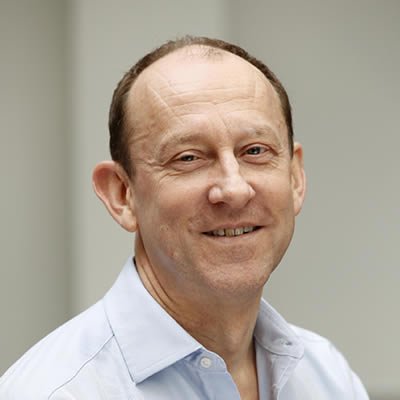
Dr Gerald Finnerty, Senior Lecturer at King’s College London, Honorary Consultant Neurologist, King’s College Hospital and Guy’s Hospital, and Neurology Representative on BNOS Council, was interviewed in April 2021 by Bloomberg Radio.
In the interview, entitled, ‘Innovative Research at King’s Tackles Brain Tumours’. Dr Finnerty discusses recently published research using live brain tissue from 20 people undergoing brain tumour surgery at King’s – the largest neuro-oncology centre in Europe.
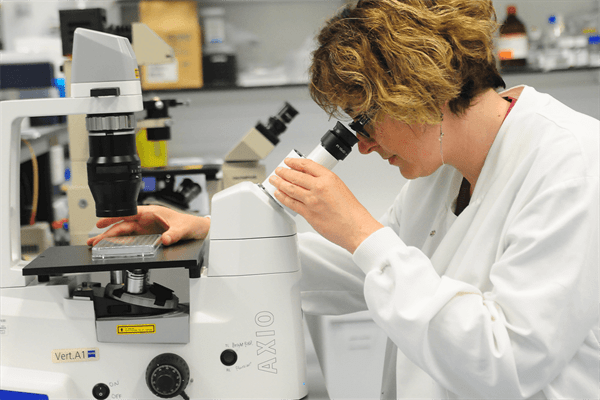
Scientists have found a new way to starve cancerous brain tumour cells of energy in order to prevent further growth.
The findings by Professor Silvia Marino and her team at the Brain Tumour Research Centre of Excellence at Queen Mary University of London could see a breakthrough in the way that children with medulloblastoma are treated in future.
Read more about the research
20 March 2021
In a new blog, Cochrane GNOCG and Helen Bulbeck of brainstrust look at the latest Cochrane evidence on brain tumours and reflect on what this special collection means for the brain tumour community and why collaboration has been key to this work.
More information on the Special Collection here:
 Special Collection: Brain Tumour diagnosis and management
17 March 2021
Are you looking for new opportunities to exchange ideas and interact more closely with other research groups?
The Cancer Research UK Open Lab Initiative has been launched to encourage CRUK Centre Network research groups, CRUK-funded laboratories, and other groups undertaking cancer-related research to hold joint group meetings online.
Their aim is to connect research groups with mutual or complementary interests to spark creative discussions, generate novel scientific ideas, and establish new research collaborations.

7 December 2020
In April and May of 2020, the International Brain Tumour Alliance (IBTA) carried out an international survey entitled ‘Brain Tumours and COVID-19: the patient and caregiver experience.’ This is the first and only international survey across the global community of brain tumour patients and caregivers examining how the COVID-19 pandemic had directly affected them. The survey was available in seven languages (English, French, Italian, German, Polish, Spanish, and Japanese).
A total of 1,989 responses were received from both adult and paediatric brain tumour patients and their caregivers in 33 countries, representing over 30 different types of brain tumours. Further details of the study can be found here.
The survey results have been published in the Oxford University Press journal, Neuro-Oncology Advances. The IBTA has also created a plain language summary of the survey results paper.
10 November 2020
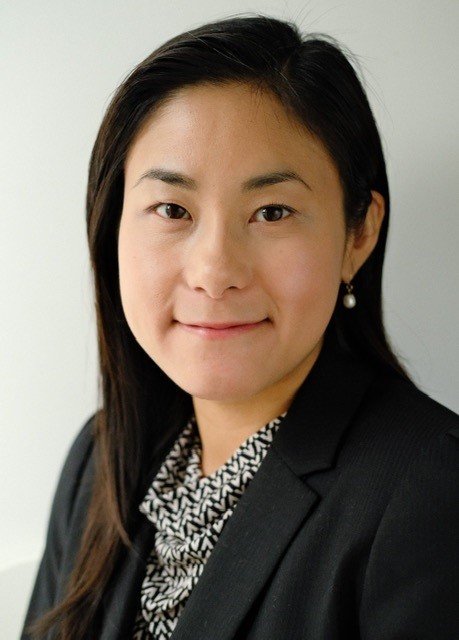
Dr Dorothy Joe has just taken up first Post–CCT Fellowship in Neuro–oncology for Neurologists at King’s College Hospital. Here, she reflects on why more neurologists should consider a specialist interest in Neuro-oncology.
Why Neuro–oncology?
I was lucky in my training because many Neurology trainees have little exposure in Neuro–oncology. I had a taster experience in Neuro–oncology as a junior trainee at the National Hospital for Neurology. During the latter half of my specialist training, I undertook extended rotations in Neuro-oncology at King’s College Hospital as well as the Neurofibromatosis Unit at Guy’s Hospital. I was actively involved as part of the multidisciplinary team, which I enjoyed greatly.
My first step in developing a specialist interest in Neuro-oncology was to audit the management of glioma mimics. I presented the findings with recommendations at the Association of British Neurologists and at the British Neuro-oncology Society in 2019. The audit made me realise that neurologists have much to offer to oncology patients. This contribution will only grow as new treatments, such as immunotherapies, become more prevalent as the new treatments may cause neurological complications.
My Goals
As a Post–CCT Fellow in Neuro–oncology, I have three main goals:
- To improve the overall experience of our brain tumour patients by working closely with the neurosurgeons and oncologists in the Neuro-oncology multidisciplinary team.
- To build clinical experience in managing patients who develop neurological complications as a result of new immunotherapies, e.g. the Chimeric Antigen Receptor T–cells (CAR –T) treatment for haematological cancers. Hopes are high that CAR-T immunotherapy can be extended to solid tumours, such as gliomas. I would like to be part of this.
- To foster better clinical training of Neurologists in Neuro–oncology.
Going Forward
When I heard that Dr Finnerty was setting up a Post CCT Fellowship for Neurologists in Neuro-oncology, I immediately thought that this would be an excellent postgraduate training opportunity for me. In the coming year, I look forward to: increasing my contribution to the established Neuro–oncology service and building closer links with other medical specialities, namely haematologists within the CAR–T group; to improve our understanding of the neurological impact of new immunotherapies; and to promote a wider, united, approach in optimising care for cancer patients.
22 October 2020
BNOS is pleased to announce the launch of its new online membership system, Wild Apricot, which also houses the newly introduced Collaborative Research Consortium. The Collaborative Research Consortium is a searchable directory designed to enable researchers to contact each other, should they be seeking additional expertise on a grant application, and/or collaboration for new research ideas.
To find out more about the membership levels offered, please visit the Join Us page.
On joining as a BNOS member and/or the Collaborative Research Consortium, you will be able to access your account to edit your details as/if required. Please note, when joining the Collaborative Research Consortium, your name, phone number and email address will be available via the searchable directory; however, you can edit what is made visible to others via your privacy settings.
If you are a current BNOS member, you can amend your current membership level to include joining of the Collaborative Research Consortium, via accessing your profile.
Wild Apricot fully adheres to GDPR practices and further information can be found here: https://www.wildapricot.com/gdpr / www.wildapricot.com/privacypolicy
18 August 2020
The Brain Tumour Patients’ Charter of Rights is intended to address brain tumour inequalities across countries. It is also meant to stimulate debate and discussion. We hope that the Charter goals are shared by us all whether we are healthcare professionals, patients, caregivers or advocates.
18 June 2020
BNOS unequivocally supports SNO’s statement, and is fully committed to ensuring all processes and activities of the Society are carried out fairly and in accordance with proper and best practice in terms of race equality and all other equality strands.