BNOS Liverpool 2022 was the first in person meeting since the 2019 meeting prior to COVID. The meeting was held on a backdrop of rapidly rising prices (fuel hit 199.9 / l) and a national rail strike which reduced services throughout.

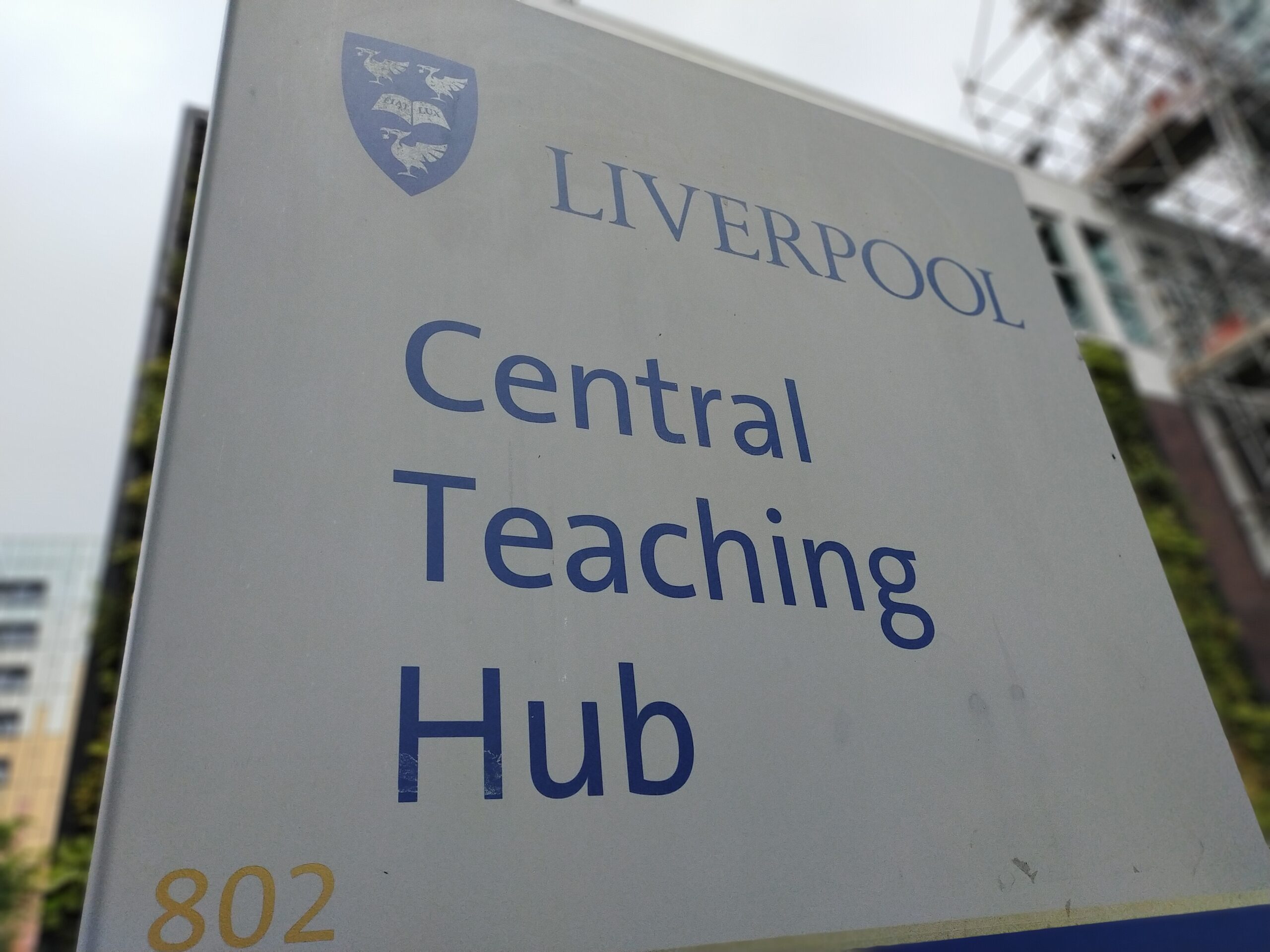

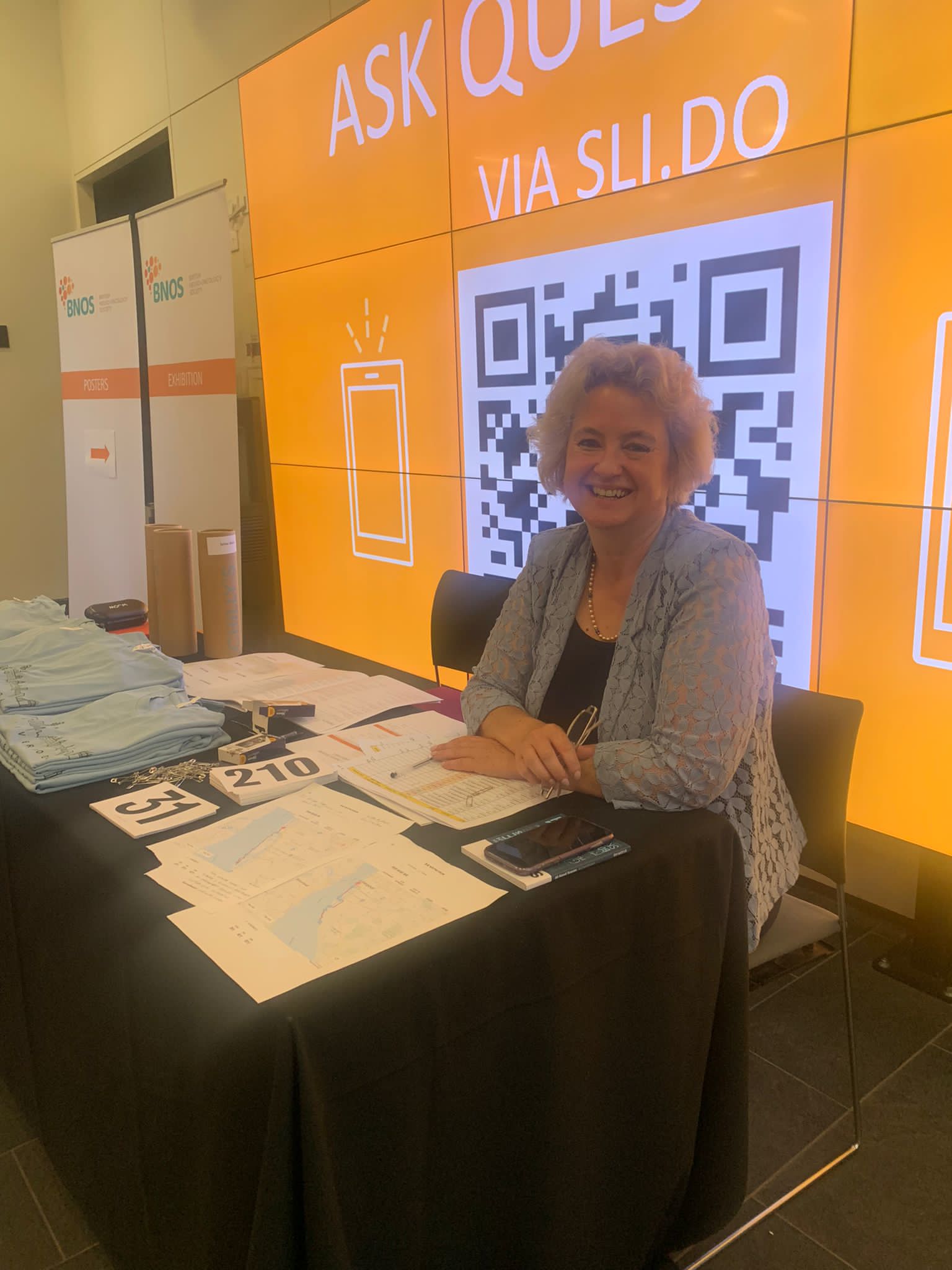
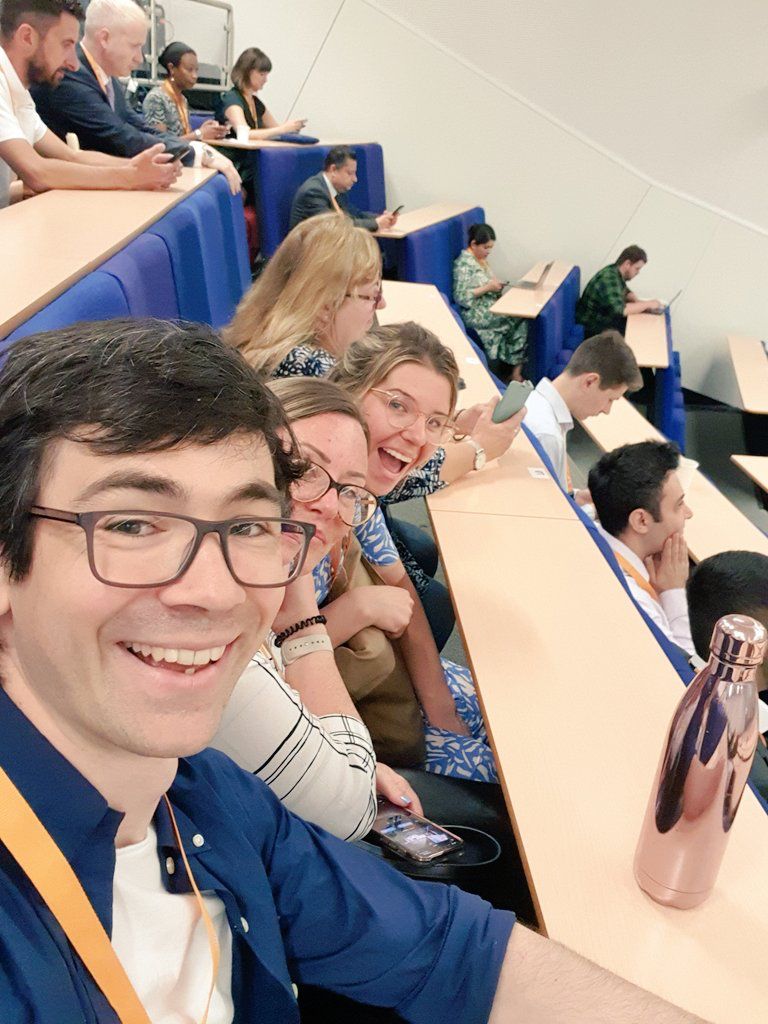

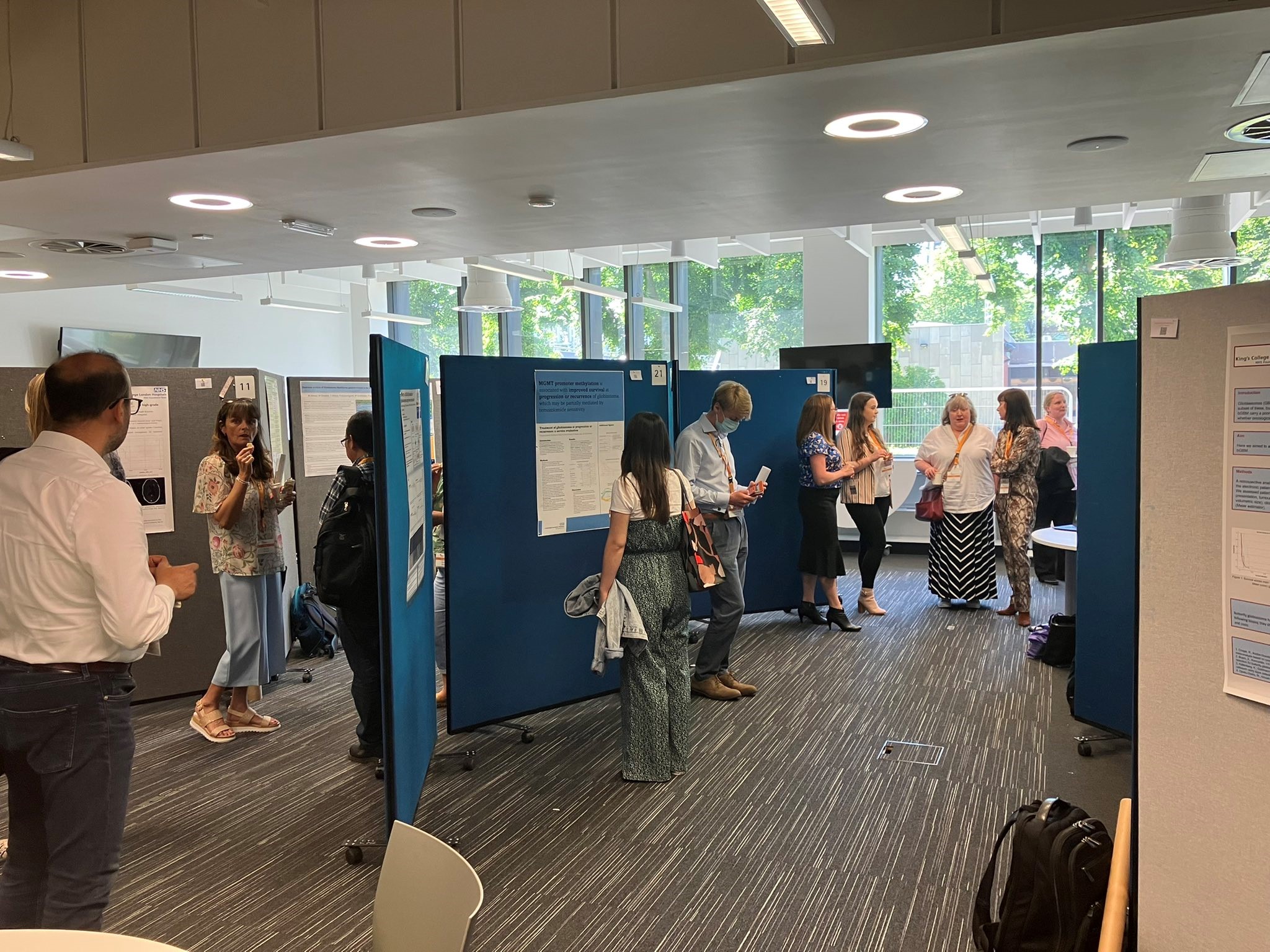
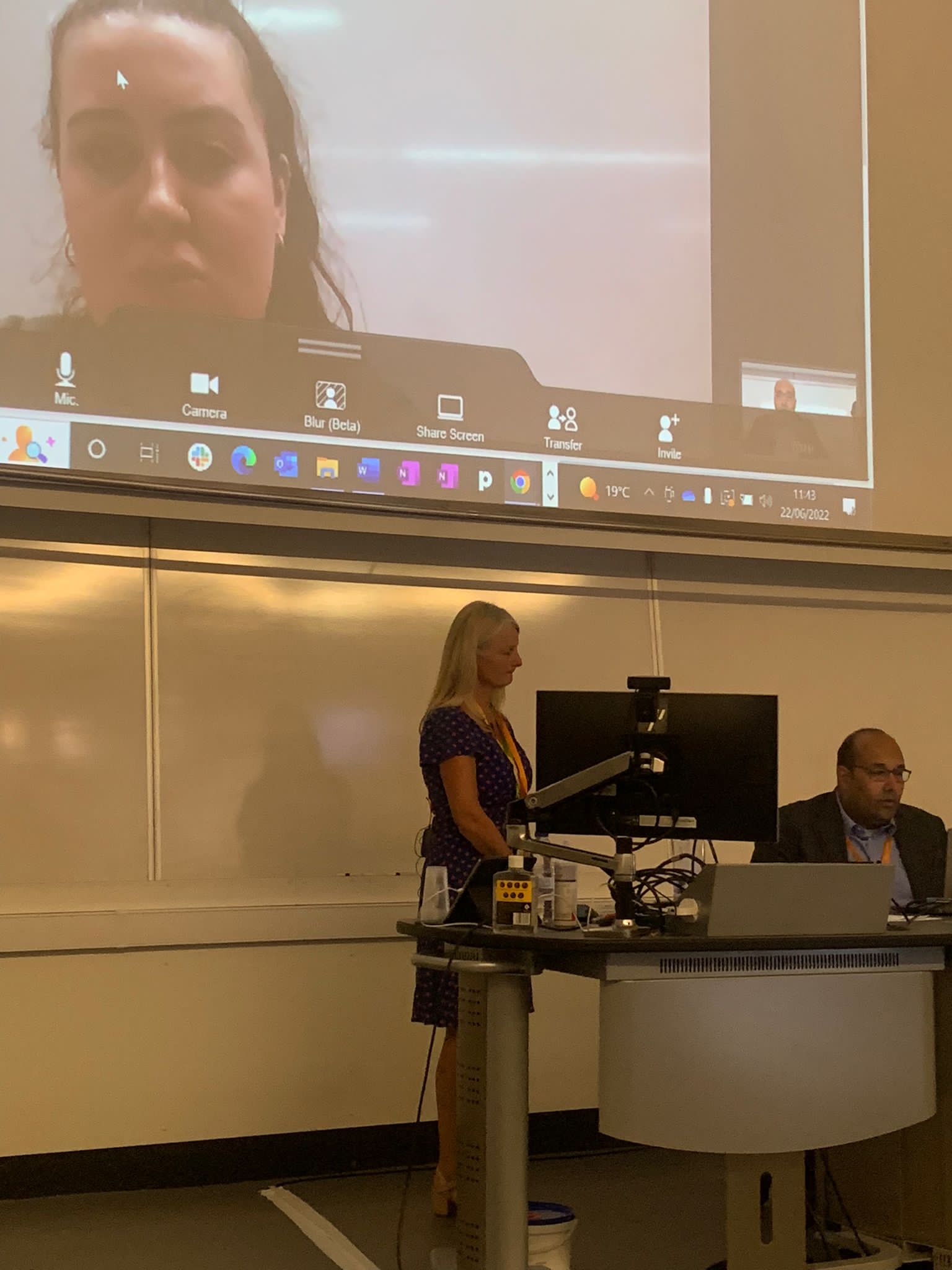
The weather in Liverpool was superb, and attendance was over 325 people over the 3 days. Those who could not make it by train presented virtually and we were able to live stream sessions on the Thursday, offering a new dynamic to the conference – a positive following the pandemic. The whole meeting was recorded, so that the invited speakers and sessions could be put on the BNOS members area of the website as an educational resource in due course. Twitter was the social media platform of choice and was encouraged, explained, was used throughout, and prizes awarded for the best photo and most liked tweet (announced on Twitter). Paper was discouraged, and the programme, abstracts, and supplementary materials were all on line.
There were three educational sessions on the Wednesday morning. Standardisation, with Sam Mills talking about the specifics of radiology, Catherine McBain the difficulties in oncology and personalised medicine, and Fiona McKevitt highlighting the management of tumour related epilepsy. The interactive video educational session provided a chance to meet the Attend Anywhere team, and Jacqui Ball then challenged us with a breaking bad news role play by video. The third session discussed preclinical brain tumour modelling, and ended with a lively discussion.
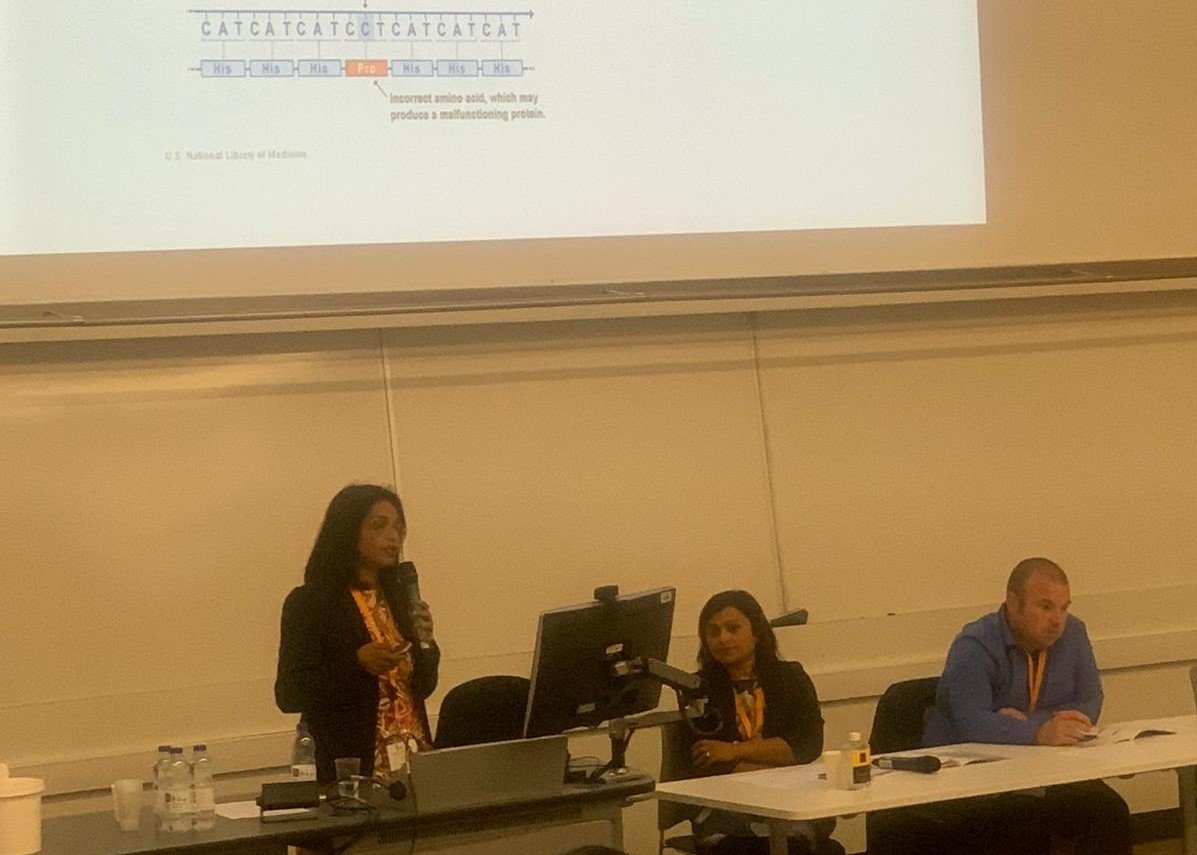
The conference then opened with an engaging talk from Roger Stupp, entitled Clinical Trials in Brain Tumours, past, present and future, which provided an excellent overview and helped us to understand where we are now, and how important trials are to our advancement of treatment for our patients. The biggest issue with the afternoon sessions on Neurosurgery with Ryan Mathew, Pathology with Kathreena Kurian and Juanita Lopez, Metastases with Mihaela Lorger and Sherise Ferguson, and a free paper session on basic science was to know which of the parallel sessions to attend!

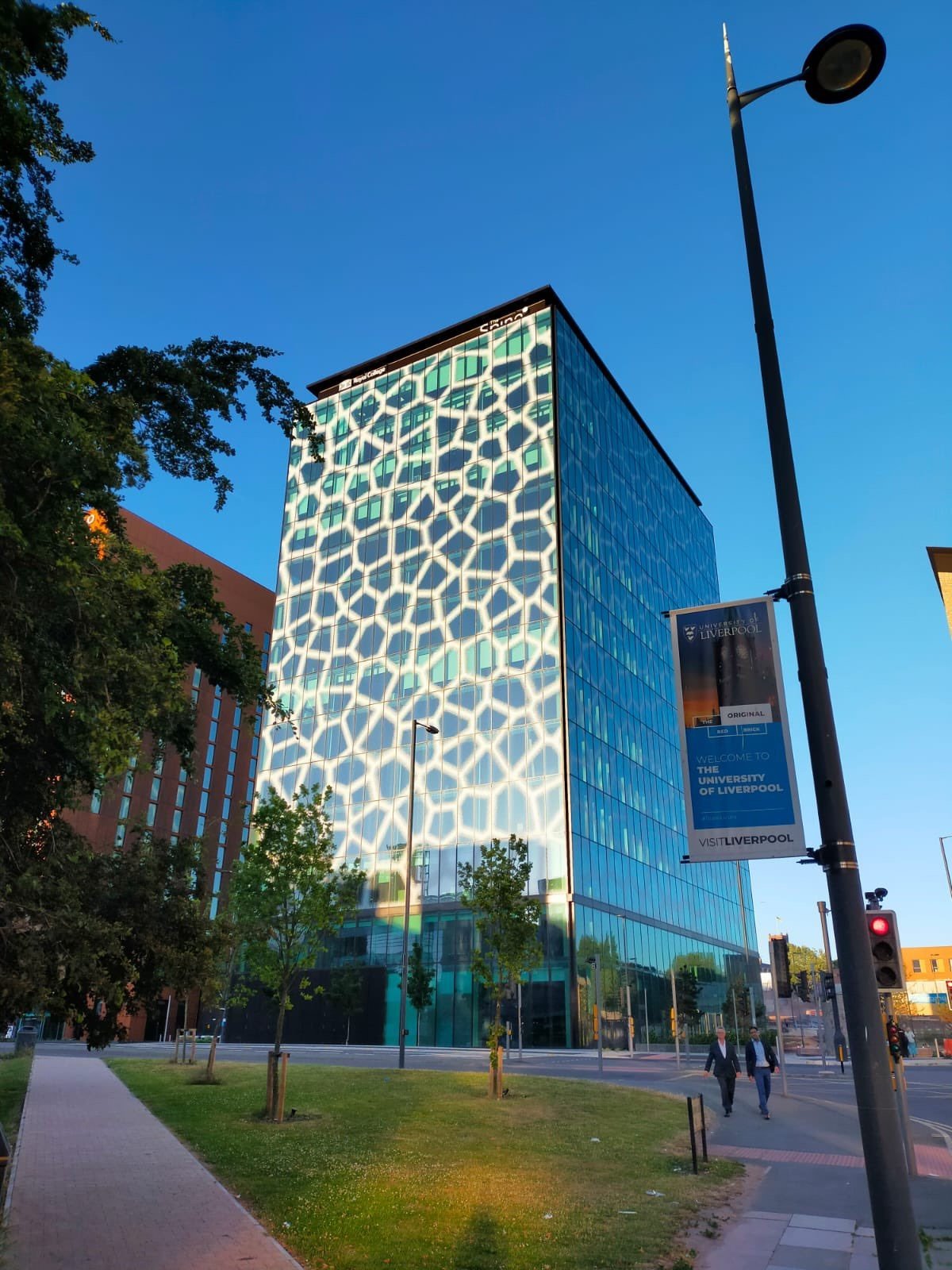


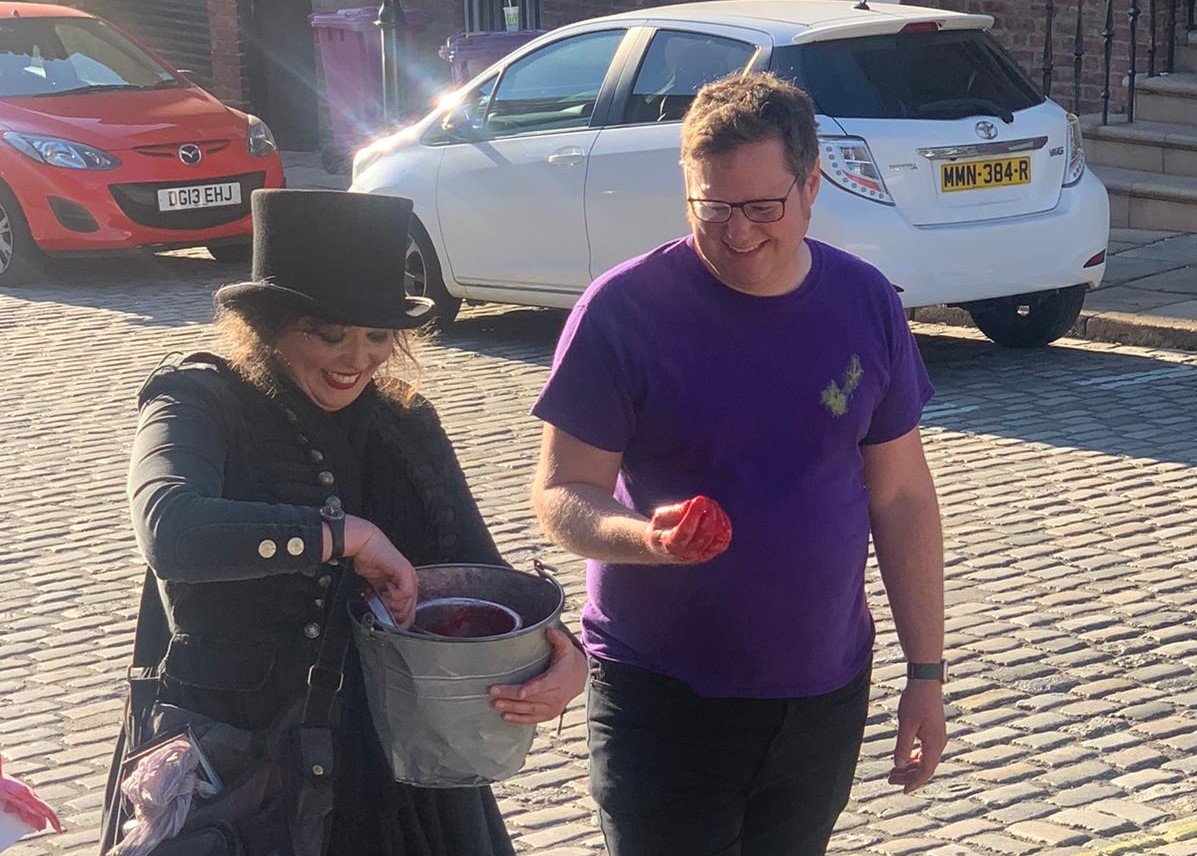
After the conference finished for the day, many delegates went on the Shiverpool haunted (educational) walking tour. Few of us will forget the ‘Green Demon let us pass’ or the monument to the slave trader buried sitting upright with a winning hand of cards! The evening then moved to the stunning 13th floor of the new Spine building, with spectacular views across the city.
Thursday started with the first ever BNOS fun run along the stunning Liverpool waterfront. The 48 runners (58 entered) had perfect conditions, sunny, slightly cool, with the tide in. Paul Brennan won the men’s 5 Km and Noemia the women’s 5 Km. Natalie Long was the overall winner of the 10 Km race with Joe Keeting winning the men’s 10 Km.


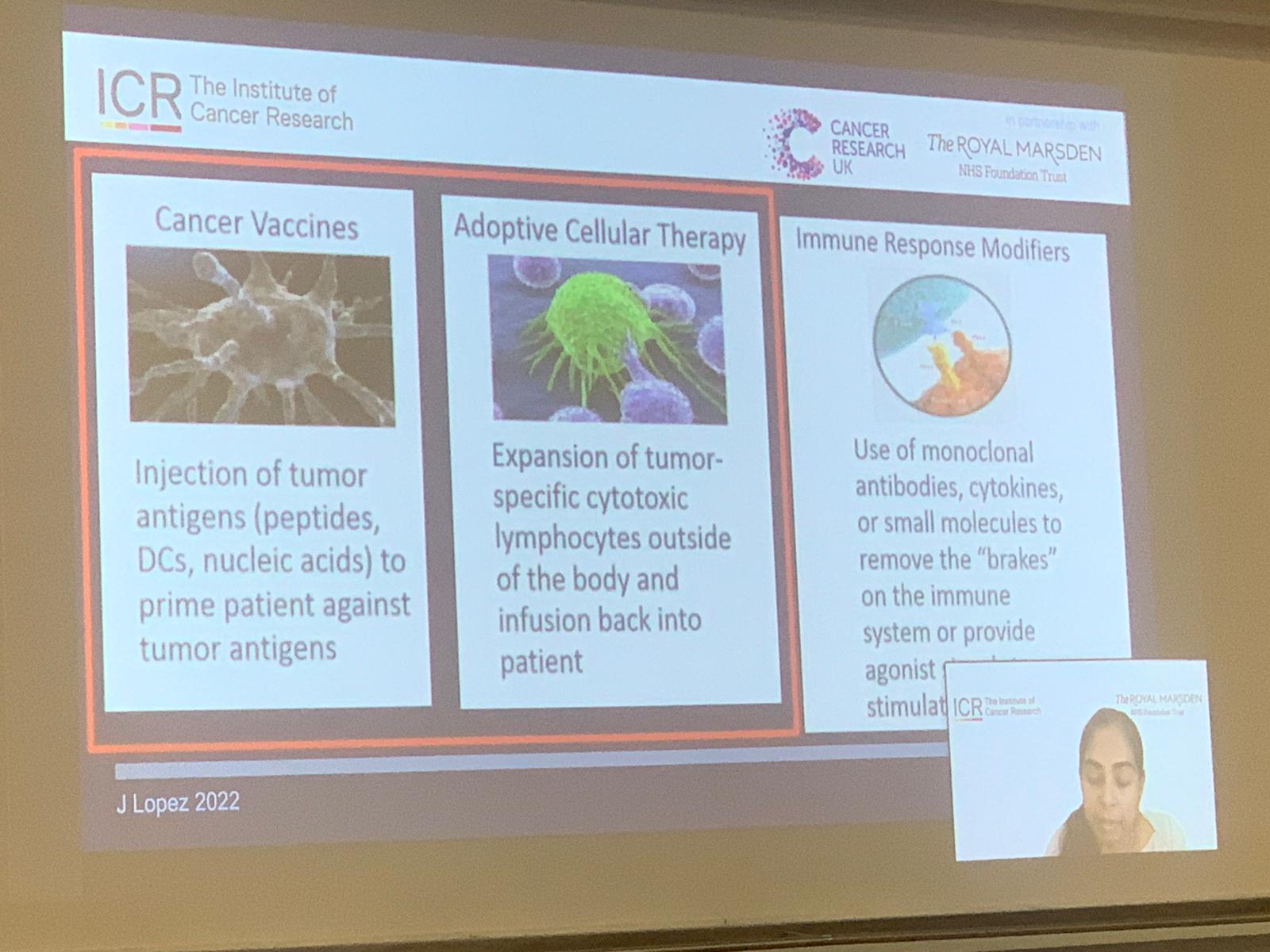
The conference itself had three parallel sessions going for most of the day. The clinical trials session had talks from Juanita Lopez and Anna Olsen Brown, and Roger Stupp provided an insight into some of his tips on running a successful trial. The session finished with an exciting talk from Ashkan Keymouras on the results of the dendritic cell vaccine trial. Igor Vivenco led the basic science session by talking about oncogenes in glioblastoma. Throughout the day there were a series of social science sessions highlighting innovative interventions to improve quality of life. These included prehabilitation, neuropsychology, patient pathways, cognitive evaluation, and rehabilitation. These were well received and attended by a complete range of delegates. A Paediatric session with Nicky Thorpe, and a further neurosurgery session, with Ryan Mathew, led up to lunch and a presentation from Novocure (a platinum sponsor of the meeting). After a review of the science behind tumour treating fields, they talked about how patients and clinicians need to ask for this treatment to be able to get better access in the UK.

From left: Andrew Brodbelt (BNOS Treasurer and BNOS 2022 organising committee), Paul Grundy (BNOS President), David Bolton, Anna Crofton, Professor Roger Stupp
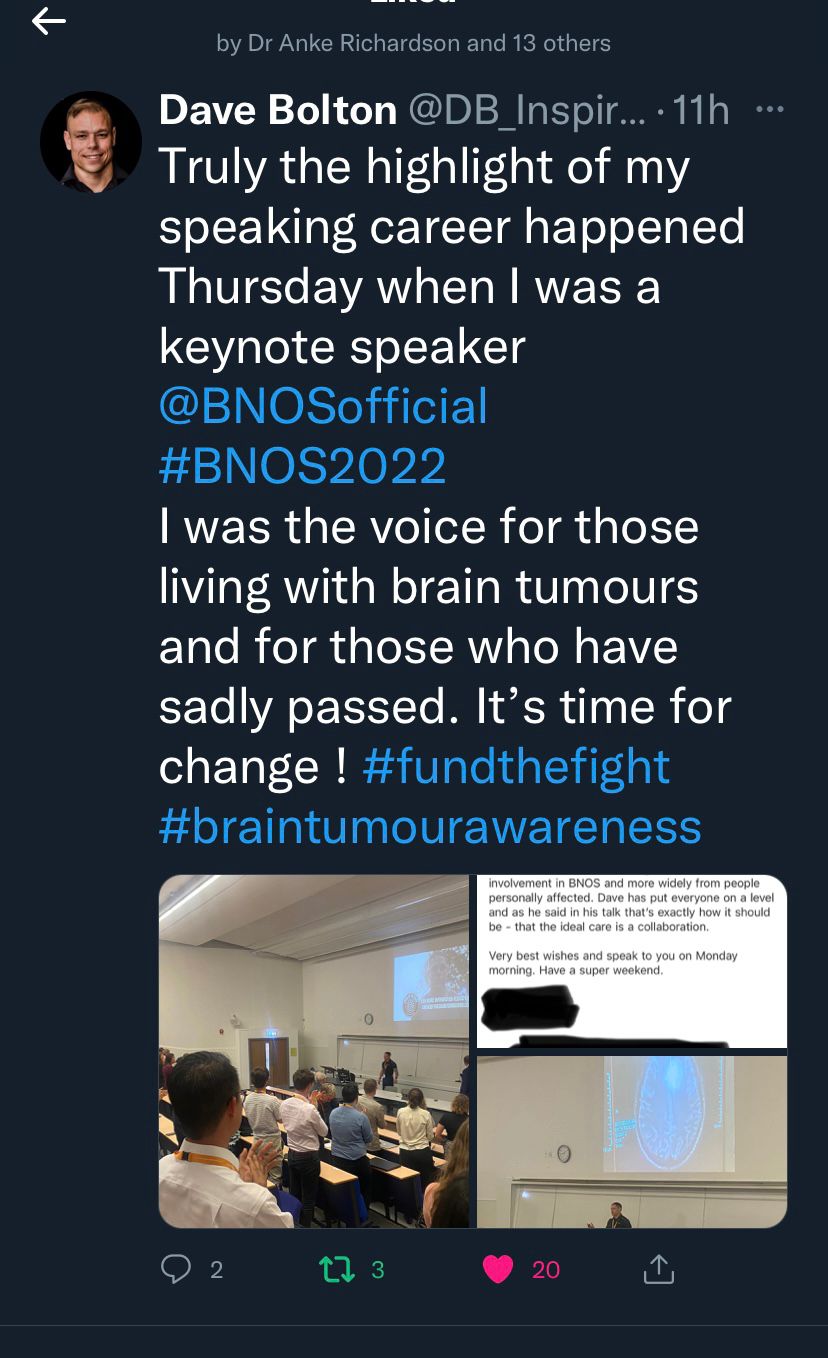
Thursday afternoon started with an exceptional talk from David Bolton. He talked honestly and openly about his life story (to date) and his ability to cope with adversity. He spoke positively about the importance of a partnership with the clinical team and how this has helped him in living well with his disease. This really provided a lesson both in caring for our patients but in our own personal lives as well. The audience gave him a standing ovation. Kathreena Kurian then led out a glioma session, followed by a free paper session. There was a talk from the Care Oncology Clinic about proprietary drug treatments, with interest from the audience for a clinical trial and highlighted some scepticism and the need for further rigorous scientific investigation.


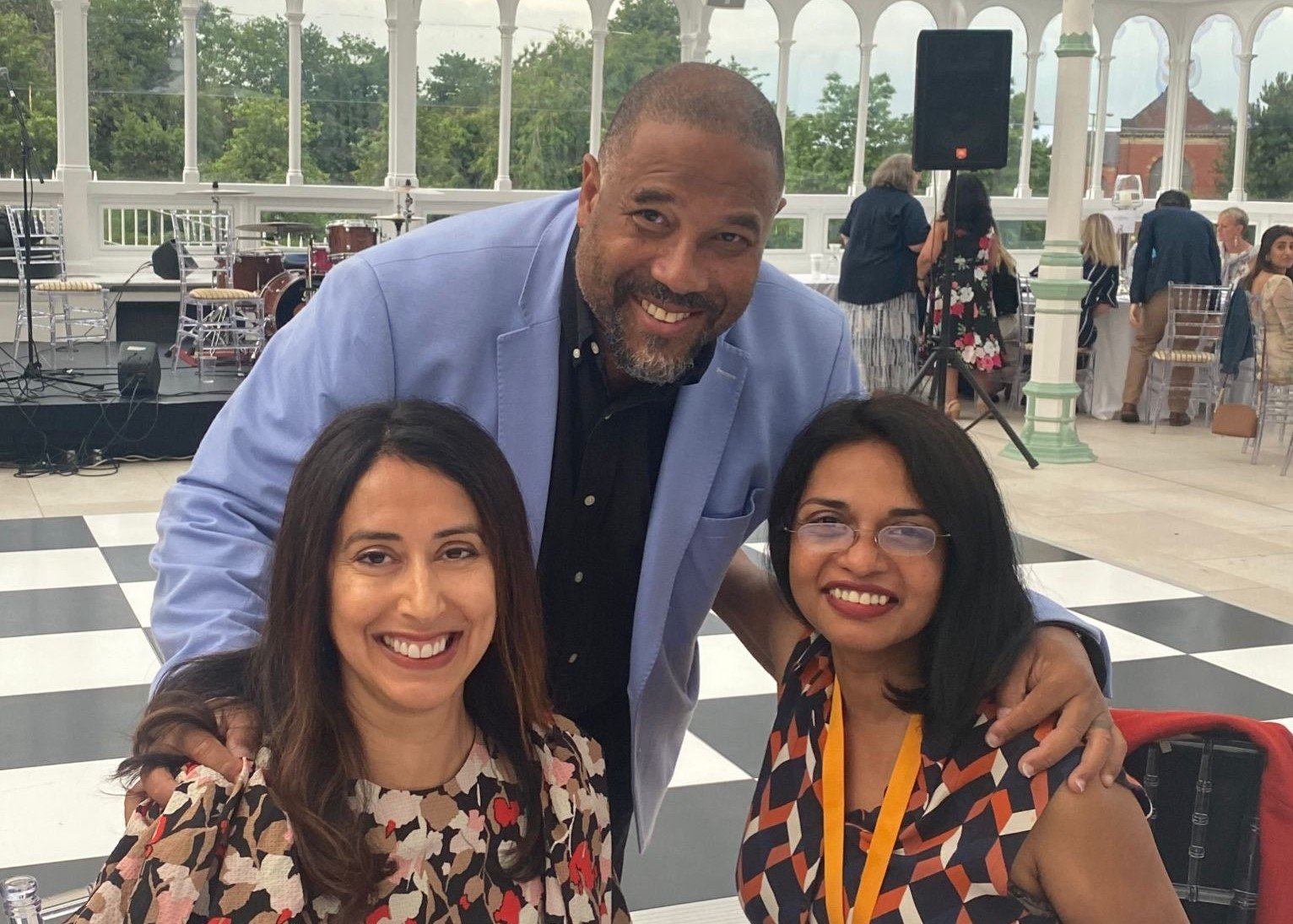

The evening ended by a conference dinner at the Isla Gladstone. It was a beautiful evening in a stunning venue. John Barnes (Former Liverpool FC and England International) spoke eloquently about equality, diversity and discrimination and provided a thoughtful, and sometimes uncomfortable, view on our role and how to challenge accepted behaviours. John was very personable, and kindly agreed to the constant requests for selfies. After the dinner, there was an energetic and highly enjoyable, if slightly chaotic, ceilidh.
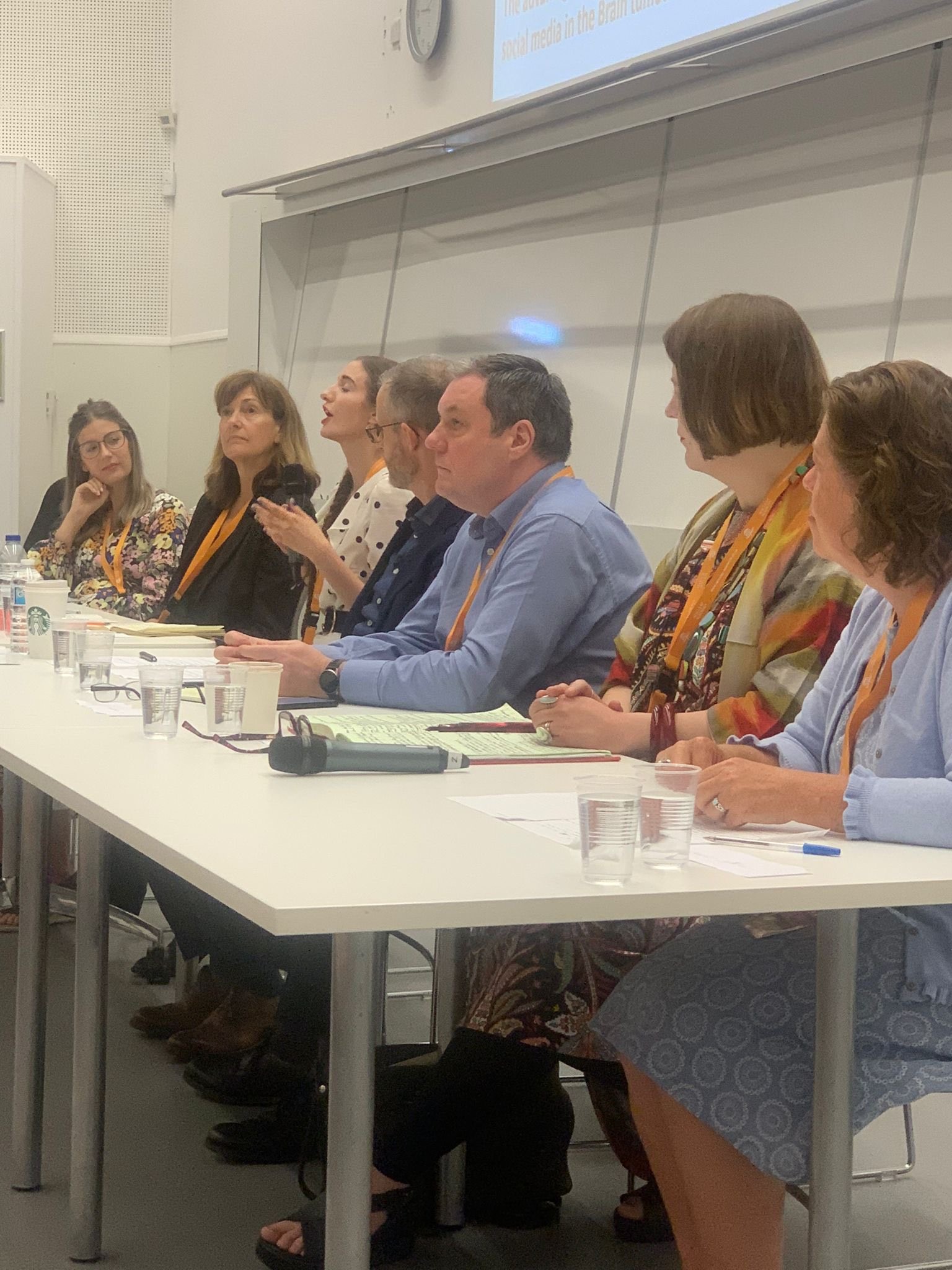
Friday morning started with a radiology session, and a question time debate on social media. The question time session was well attended and thought provoking. The panel included an ethicist (June Jones), a young brain tumour ambassador (Rebecca Taylor), a nurse specialist (Jill Sokratous), a hospital comms director (Mark Flannagan), a charity comms director (Catherine Fraher) and a clinical psychologist (Jacqui Vinten). The roles of social media both as a force for good, and when it is more negative, were explored, with fascinating insights provided from all members of the panel. One message to come out is that social media is here for good, and both health care professionals and scientists need to actively engage and improve their understanding and learn how enlist its use.

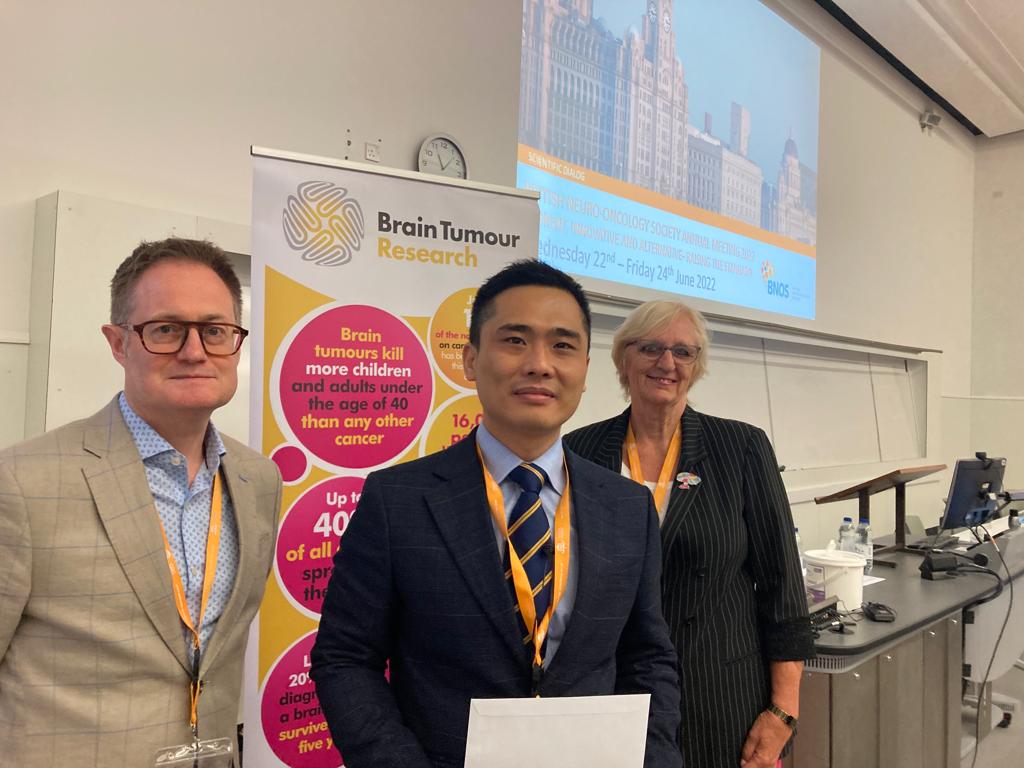
Dr Chao Li (centre) 2022 winner of the Young Investigator of the Year Award
Dr Chao Li won the young investigator award and provided an insight into his work with AI and imaging.
The highest scoring papers on hydrogels for drug delivery, molecular resistance mechanisms, and where patients die rounded off an excellent session.
The winners of the prizes were announced:
- Amanda Fitzpatrick (Poster Clinical)
- Ross Carruthers (Poster Science)
- Georgette Tanner (Oral Science)
- Ash Keyoumars (Oral Clinical)

There were many highlights of the meeting, and this summary does not do justice to them all. There were 67 platform presentations, 35 invited speakers, and 53 poster presentations, who also provided a pre-recorded 3 minute summary. A short summary virtual meeting, specifically for patients, of a few of the highlights from this years meeting is planned. A reminder that the invited speaker presentations will be available on the BNOS website in the BNOS Members educational area in due course.
Finally, we heard about, and look forward, to BNOS Manchester 5 – 7 July 2023.
Thanks go to all sponsors of BNOS 2022 for their support.
Platinum sponsor:
Novocure
Gold sponsors:
Brainlab
Brain Tumour Research
Silver sponsors:
Inomed
Medac Pharma
Vitaflo